

Herringbone, chevron or planks: three popular ways to lay a wooden floor, each with a very different look. One brings calm to a room, the other turns the floor into a real eye-catcher.
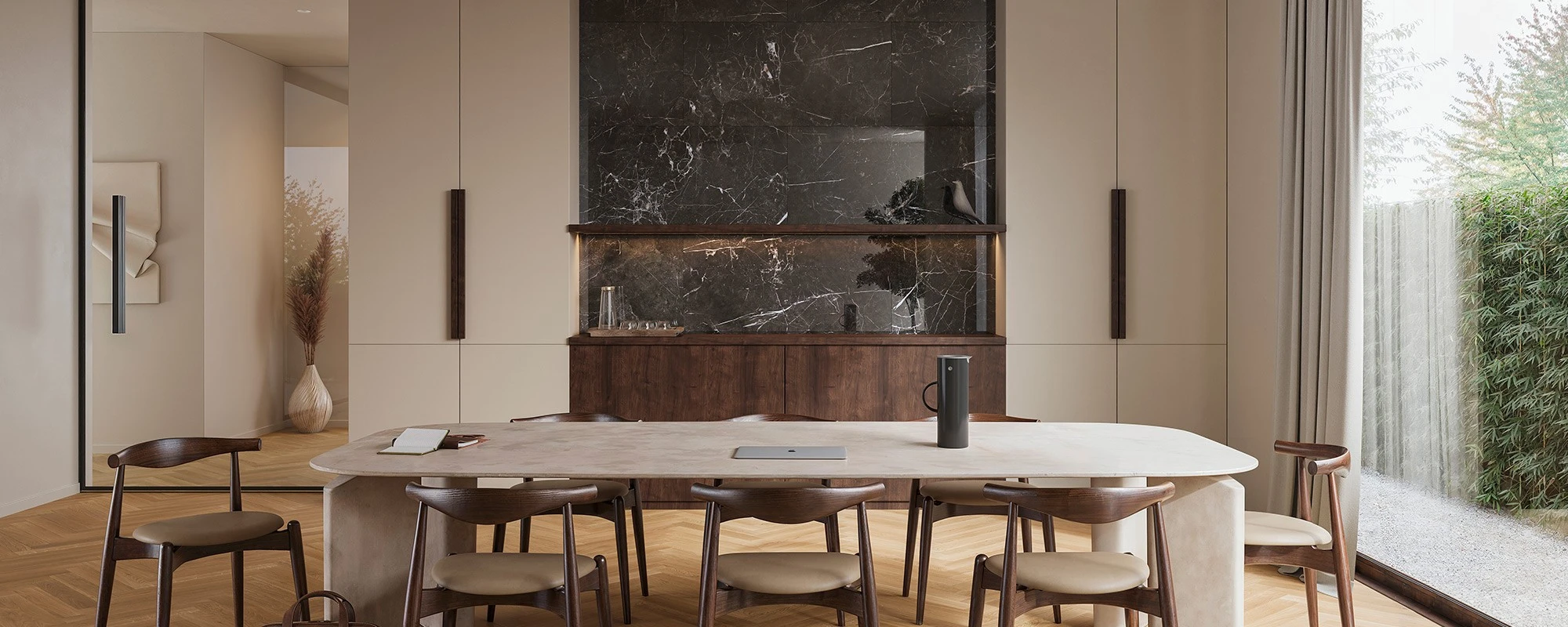
Which laying pattern suits you best doesn't just depend on what you like. The size of the room, the incidence of light and the style of your interior also play a role.
We list the differences for you and help you discover which pattern best suits your interior.
A laying pattern is the way the planks of your floor are positioned in relation to each other. So the pattern determines how the different parts of the floor come together as a whole.
That choice has a big influence on the appearance of your floor and how you experience a room. A subtle pattern keeps the floor calmly in the background. Opting for a striking pattern such as herringbone or chevron? Then the floor immediately becomes an eye-catcher.
The size of your room also plays a role. Some patterns can make a room feel visually longer or more spacious, while others put more emphasis on the floor itself.
When choosing, take into account:
the size and incidence of light of the room
the style of your interior
your budget (not every pattern takes the same amount of installation time)
how busy or calm you want the floor to be
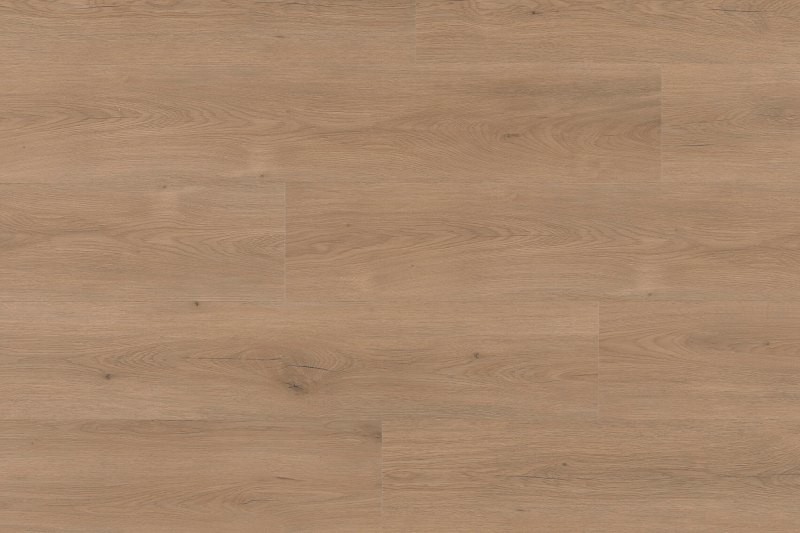
The classic among laying patterns is plank flooring. Here, the planks are installed parallel to each other, all in the same direction. Simple, but never boring.
As a result, the wood itself gets most of the attention. The grain, colour variations and natural details of the wood really come into their own, without the laying pattern stealing the show.
The laying direction also plays a role here. If you lay the planks lengthwise, the room looks longer. Laid widthwise, a narrow room can feel wider. You can also run the planks along the main sightline or the incidence of light for a calmer overall look.
less material waste during installation, so more affordable
suits almost any interior
quicker and easier to install than herringbone or chevron
makes a smaller room feel larger
less surprising and bold than herringbone or chevron
in a large, open space, the pattern can lose some of its impact
not a striking eye-catcher for those looking for a standout floor
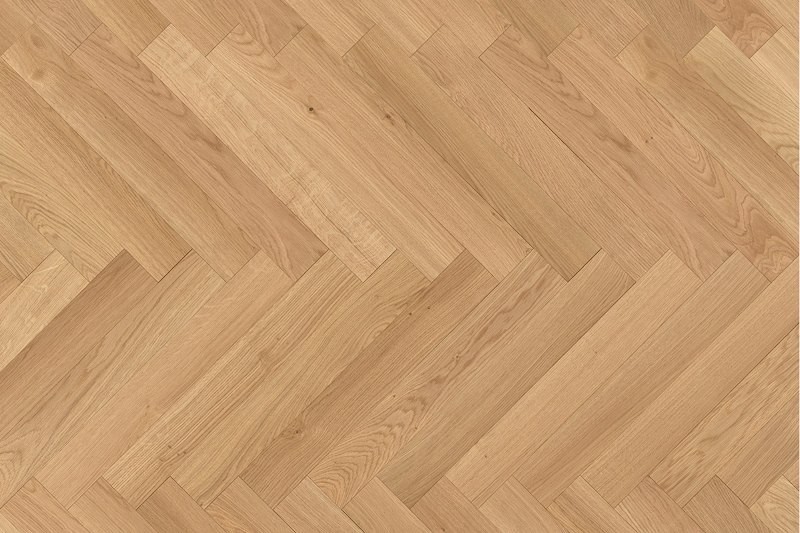
Herringbone is back in a big way. This centuries-old pattern consists of short, rectangular planks laid at right angles to each other. This creates the recognisable, broken zigzag pattern. The result: a dynamic, timeless look that fits perfectly into a contemporary interior.
Large, bright rooms show herringbone at its best. In a small room, the effect of the pattern gets lost, and you also pay more due to the higher material waste during installation.
brings depth and movement to your interior
combines classic charm with a contemporary look
distinctive pattern that gives every room a unique look
requires more material, so a higher cost than planks
less suitable for small rooms, where the effect and benefit are lost
requires precision work during installation, so usually a professional is needed
longer installation time than planks
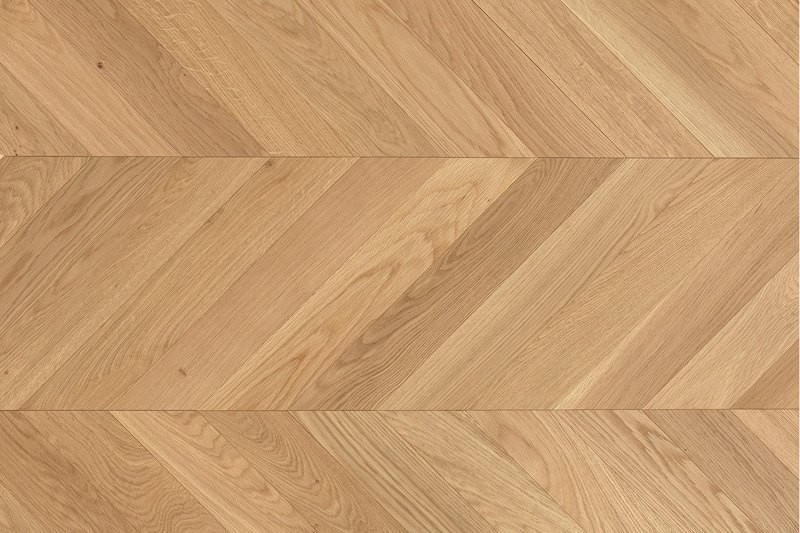
At first glance, chevron looks like herringbone, but look a little longer and the difference becomes clear. The ends of the planks meet at an angle, creating distinct V-shapes. Those points line up neatly.
That small difference has a big effect: chevron looks more refined and chic than herringbone and fits perfectly in a classic or stately interior.
refined, chic look with sharp, clean lines
gives a classic interior a surprisingly contemporary accent
unique and distinctive pattern, ideal if you want a standout floor
usually a little more expensive than herringbone due to the extra precision work
the parallelogram shape of the planks requires specialised installation
can quickly look overwhelming in a smaller room
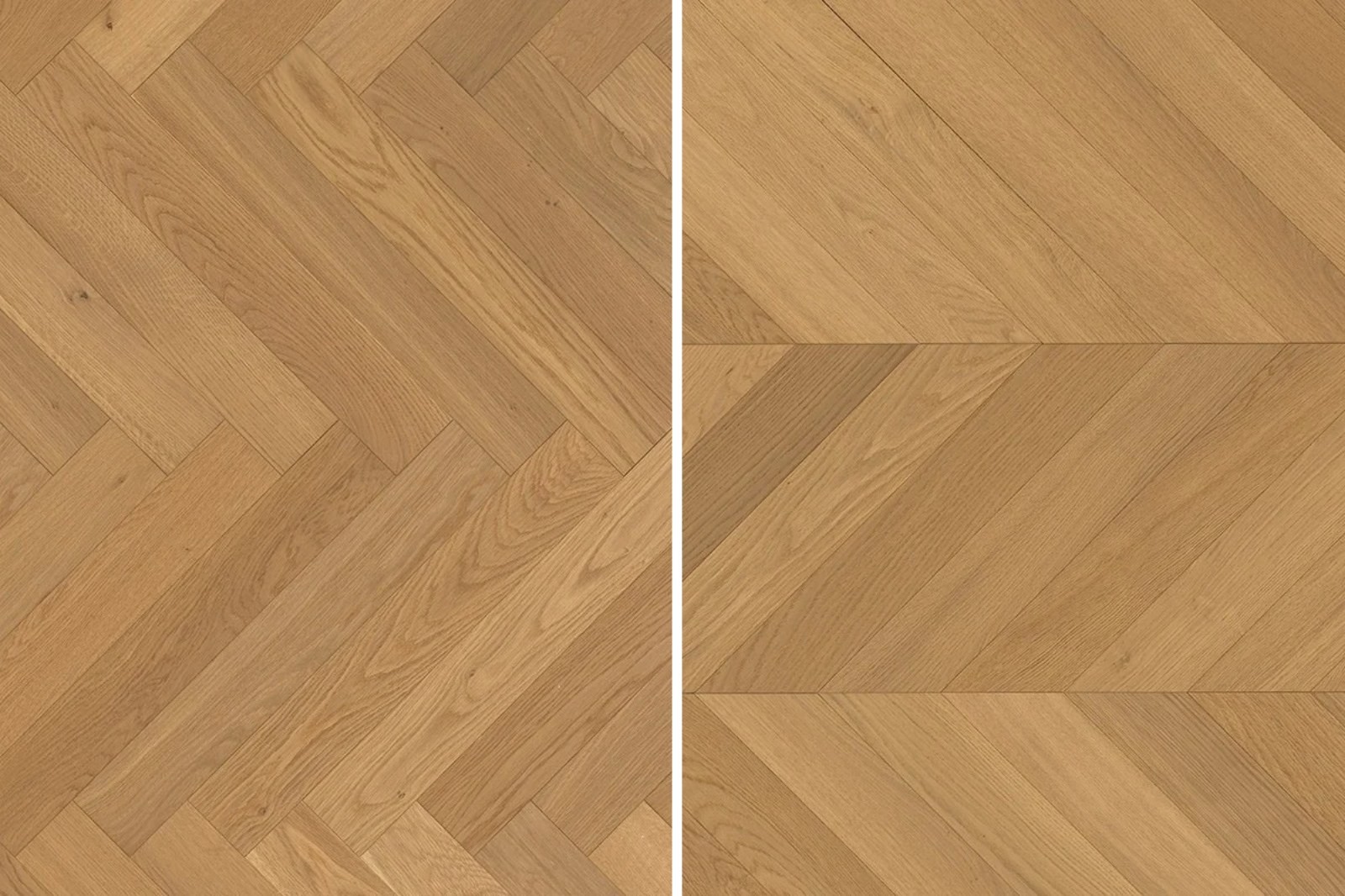
The two are often confused. Understandable, because both consist of smaller parquet pieces that together form a geometric pattern.
The difference lies mainly in how the planks meet.
With herringbone, the end of one plank rests against the side of the other. This creates a more playful, broken zigzag pattern.
With chevron, two ends cut at an angle meet. This creates a clear V-shape with a straight line running through the middle of the pattern.
Herringbone therefore feels a little livelier. Chevron looks more regular and graphic.
Choose planks if you're looking for calm and want to put the natural look of wood centre stage.
Choose herringbone if your floor can have more character and you love a lively rhythm.
Choose chevron if you fall for symmetry, clean lines and a slightly more graphic look.
Finding it hard to imagine what such a pattern would look like in your interior? With the room viewer you can already view different floors virtually in your room.
Got a few favourites after that? Then order free floor samples and view them at home in your own interior. That way, you'll immediately see what daylight, artificial light and the materials around the floor do to its colour and look. For example, place the samples next to your kitchen, wall paint or curtains and look at them at different times of the day.
In general, herringbone is more expensive than planks. Herringbone requires more material and more precise installation, which increases the total cost.
It certainly is. Herringbone is a centuries-old pattern, but it is back in a big way. Interior stylists and architects are happy to turn to it again, precisely because it combines classic charm with a modern look. So a timeless choice, not a passing trend.
In general, chevron is slightly more expensive than herringbone. This is mainly because the planks are cut at a fixed angle and have to fit together very precisely. Installation therefore often takes a little more time and precision. The exact price difference depends on the chosen collection, the plank size and the installation costs.
Herringbone usually looks a little busier than chevron. That's because the planks interlock at right angles, giving the pattern more movement and rhythm.
With plank flooring, you usually lay the planks in the lengthwise direction of the room or in the direction of the incoming light from the window. This emphasises the longest line of the room and makes it look more spacious. Got a narrow hallway or room? Then the lengthwise direction is best to visually stretch the space.
You now know the differences between planks, herringbone and chevron. Still in doubt? With the room viewer you can immediately see how each pattern looks in a real room, before you choose.
Want to see the wood species and colour in real life afterwards? Order free samples or visit a showroom near you.

Want to browse between the different collections and photos? Download our inspiration brochure. Besides all the collections and lots of photos, you will also find all the technical details.

A new vinyl floor in your living room, kitchen or bedroom? Then you face an important choice: will you get started yourself or have the floor installed by a professional?

Choosing a new floor isn’t something you do every day. You want a floor that suits your interior but can also withstand everyday life.
Life in a holiday home is different from life at home. Children come in with wet feet after a dip in the pool, sand is brought in from the beach and every week a different group of guests stays.


