

Underfloor heating and parquet? That works perfectly. You don’t have to choose between the comfort of a warm floor and the natural look of wood. You do need to choose the right type of parquet and have the floor installed correctly.
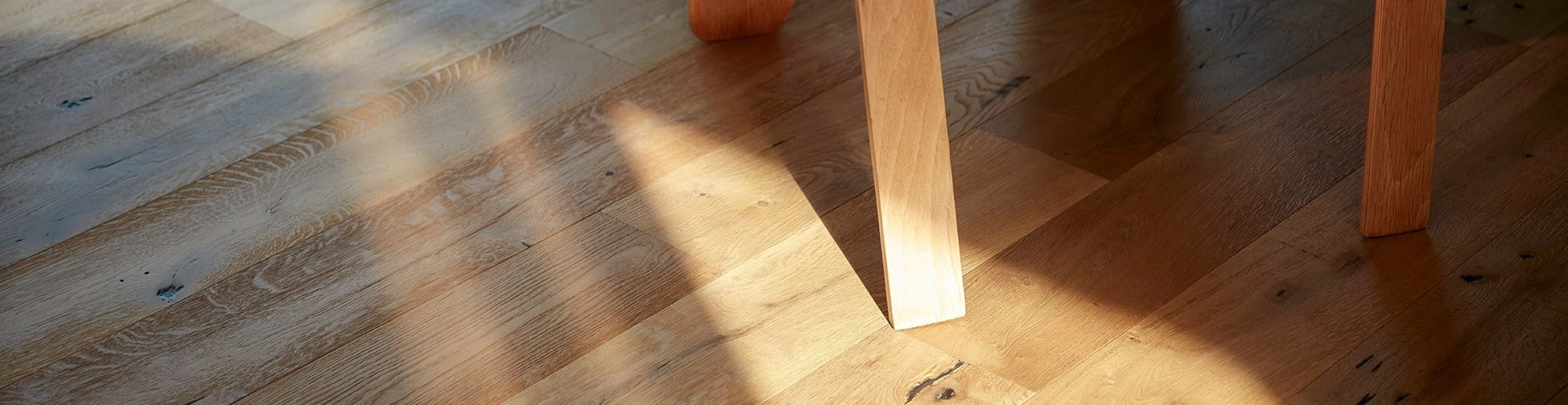
Wood is a natural material that reacts to changes in temperature and humidity. That's why factors such as the construction of the parquet, the installation method and the temperature of the underfloor heating play an important role. In this guide, you'll discover what to look out for to successfully combine parquet and underfloor heating.
Yes, a parquet floor can be perfectly combined with underfloor heating, as long as you choose the right type of parquet and take a few technical conditions into account.
Wood reacts to changes in temperature and humidity, which is why not every parquet floor is equally suitable. Multilayer or engineered parquet in particular is suitable. Thanks to its different wood layers, such a floor is more stable than solid wood and is less likely to shrink, expand or warp.
The thermal resistance of the floor also plays a role. As a general rule, the total thermal resistance of the floor covering should not exceed 0.15 m²K/W.
If you want to lay parquet on underfloor heating, multilayer or engineered parquet is the right choice. Engineered parquet consists of several layers of wood placed crosswise on top of each other, topped with a real wood top layer. Thanks to this construction, the plank stays more stable when temperature or humidity changes.
So you still get the look and feel of a real wooden floor, but with a construction that is better suited to the conditions that come with underfloor heating.
Solid parquet consists entirely of a single piece of wood. As a result, it reacts more strongly to heat and changes in humidity.
The wood can expand and shrink more, increasing the risk of gaps or warping. In addition, a thicker solid plank forms a greater barrier to the heat from the underfloor heating.
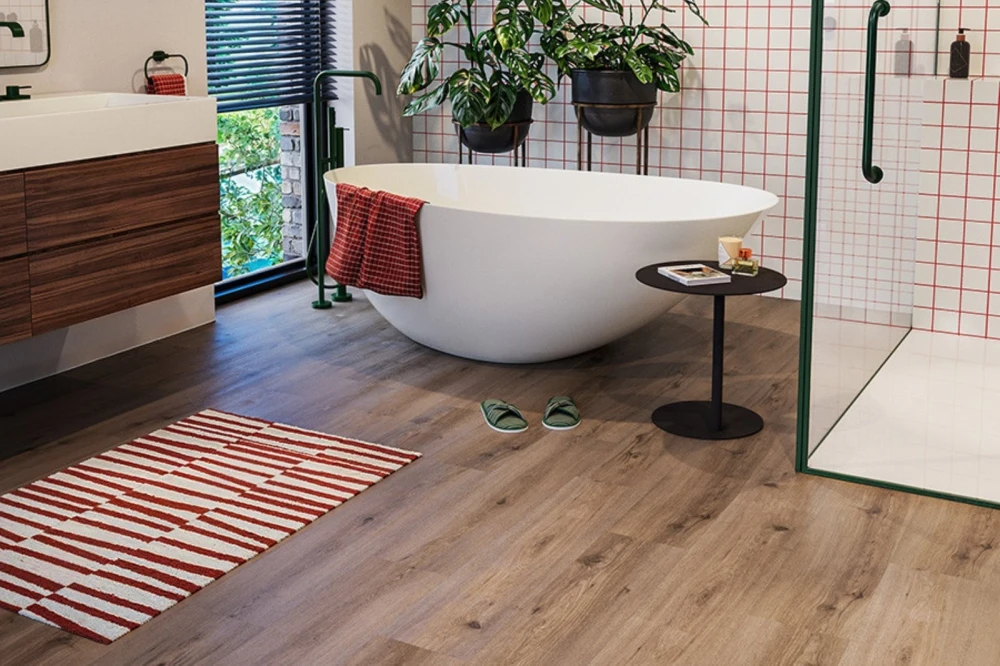
The thicker the floor, the harder it is for heat to pass through the wood. For oak parquet on underfloor heating, it's therefore best to stick to a maximum total thickness of 15 mm.
So when choosing, don't just look at colour, wood grade or laying pattern, but also at the technical properties of the floor. That way, you'll know straight away whether the parquet is suitable for underfloor heating and whether the heat can be transferred efficiently enough.
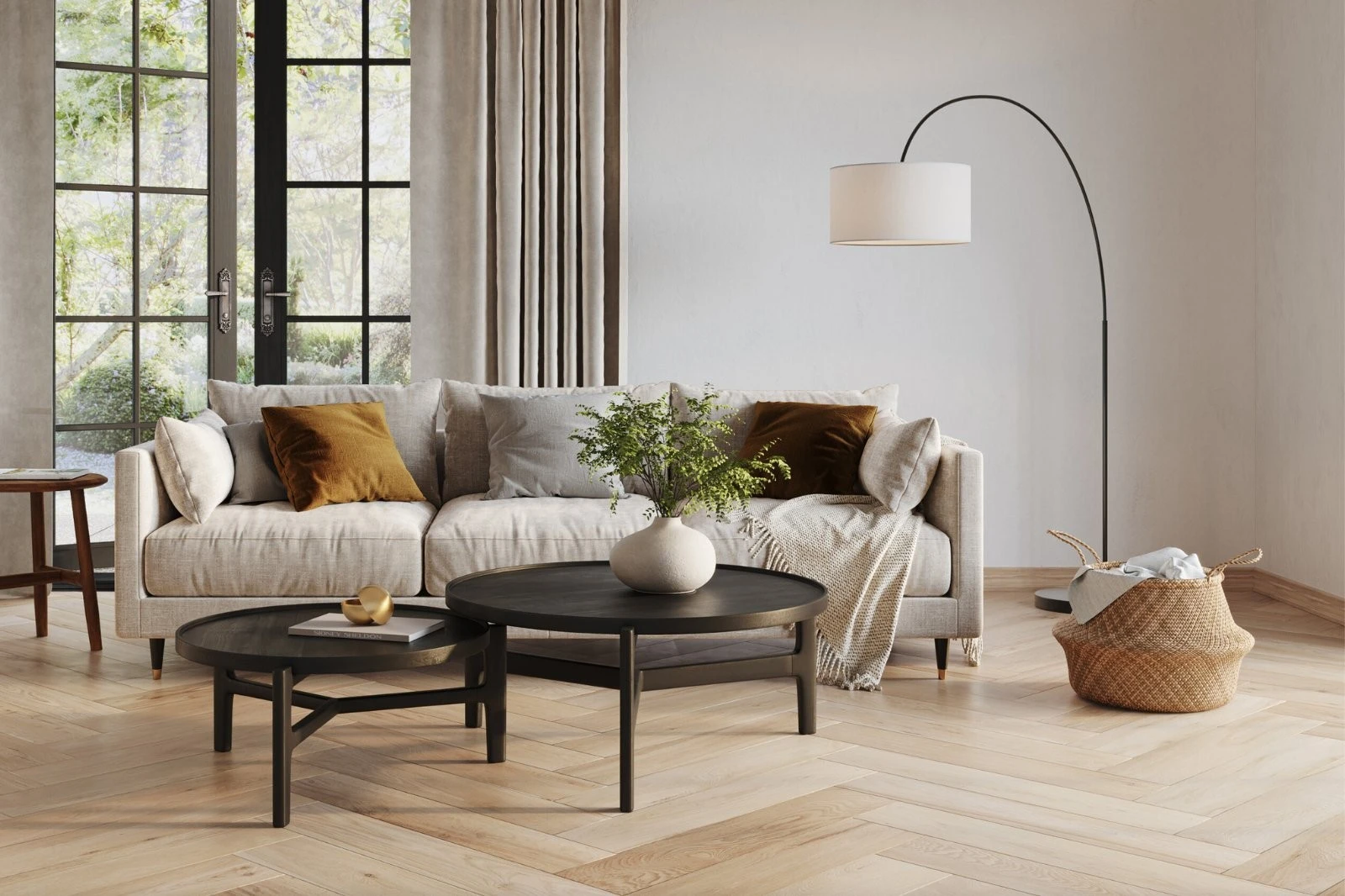
For the most efficient heat transfer possible, parquet on underfloor heating is always fully glued to the subfloor. With floating installation, there is an extra layer of air between the subfloor and the parquet. This acts as insulation, so heat is passed upwards less easily.
With a fully glued floor, there is direct contact between the subfloor, the adhesive and the parquet. This allows heat to spread more quickly and evenly through the floor.
Parquet with a click system can also be glued down in some cases, depending on the type of floor and the installation instructions.
Not every system works equally well with parquet. These are the main differences:
Water-based underfloor heating: the best combination with parquet. The system heats up gradually and distributes heat evenly. Keep the surface temperature below 28°C.
Electric or infrared underfloor heating: heats up faster and is therefore usually less suitable for parquet. Always check whether the system and the chosen floor are compatible.
Underfloor cooling: possible with suitable parquet floors, as long as the surface temperature does not drop below 18°C and the difference with the room temperature is no more than 5°C.
The subfloor must be stable, flat and sufficiently dry before the parquet is installed. With underfloor heating, it is also important to correctly follow the prescribed heating-up and cooling-down protocol. The heating is gradually built up before installation, and after installation it's best to avoid sudden temperature changes too.
Also always check the residual moisture in the subfloor with a suitable measurement. That way, you avoid too much moisture still being present when the wooden floor is installed. For correct installation, it's best to call on an experienced professional.
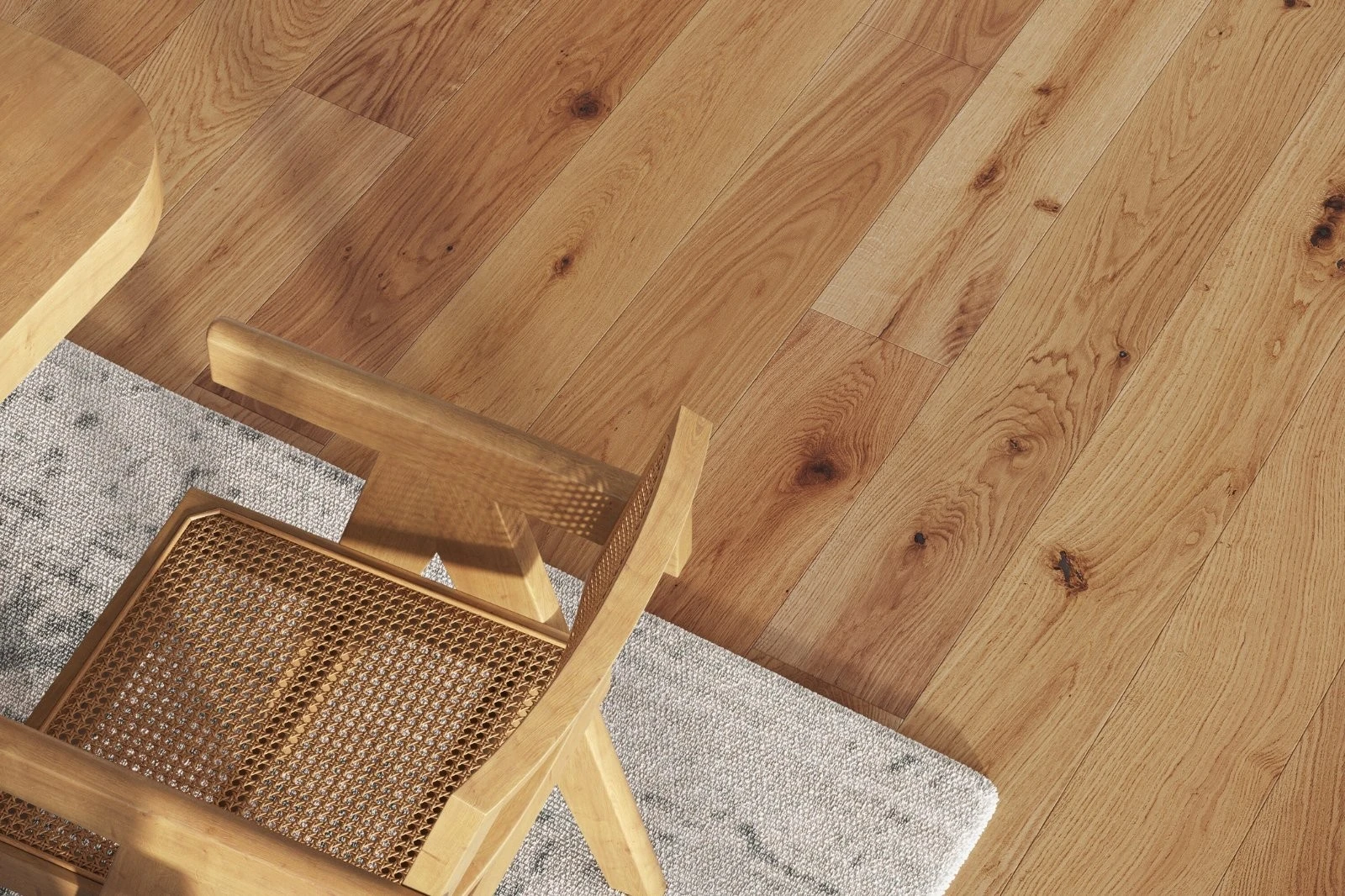
The surface temperature of the parquet may not exceed 28°C. At least as important is the speed at which the temperature changes. Wood reacts to temperature fluctuations, so always heat and cool the floor gradually.
During normal use, it's best to limit temperature differences to around 2 to 3°C per day. Also when you switch the underfloor heating back on after a holiday or longer period, build up the temperature slowly. A stable indoor climate is better for your parquet than large, sudden temperature fluctuations.
The relative humidity in your home also affects your parquet. Wood absorbs moisture and releases it again. In very dry air it can shrink, while in high humidity it can expand.
For parquet, a relative humidity between 40 and 55% is ideal. This limits the risk of small cracks, gaps or other deformations. Especially in winter, when heating makes the indoor air drier, it's a good idea to keep a closer eye on humidity.
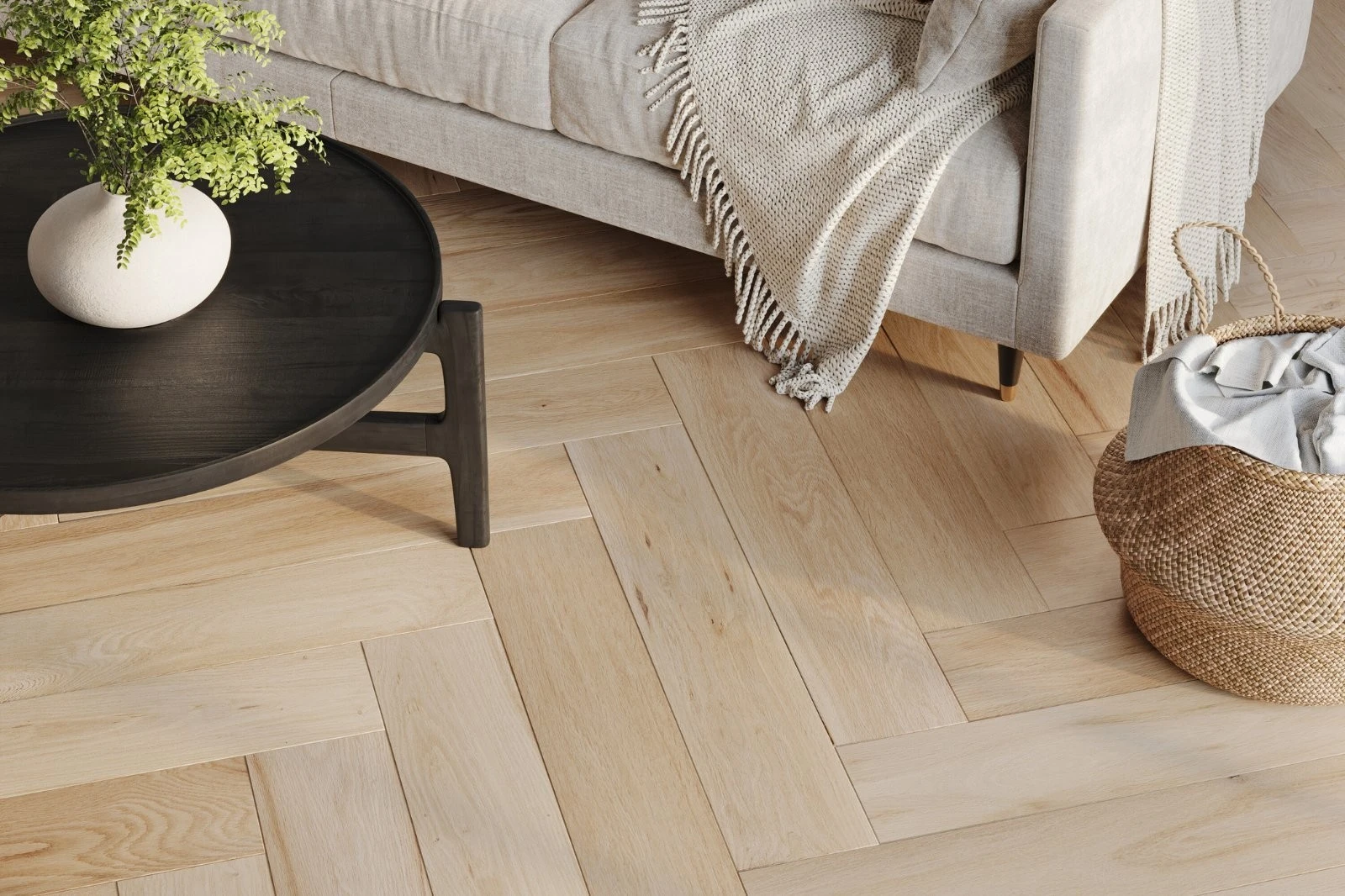
In principle, no. Parquet on underfloor heating doesn't need completely different maintenance from a regular parquet floor. It is important, however, to match the maintenance products to the finish of your floor. An oiled parquet floor, for example, needs different maintenance from a lacquered floor.
A stable humidity level also helps keep your parquet in good condition. So make sure there is enough ventilation and, during very dry periods, check the humidity in your home if necessary. A humidifier such as the Oskar humidifier helps you keep humidity at the right level.
Want to be sure your floor can handle the heating system? Then keep these 5 rules in mind:
Choose multilayer parquet: solid parquet shrinks and expands too much under the influence of heat and humidity and is therefore not suitable for underfloor heating.
Keep the thickness under control: for oak parquet, 15 mm is the maximum thickness to guarantee good heat conduction and excellent efficiency.
Fully glue the floor: full gluing is an absolute must. Floating installation creates an insulating layer of air, resulting in lower efficiency.
Have it installed professionally: underfloor heating must be installed according to best practice, with a strictly followed heating-up and cooling-down protocol.
Accept that wood lives: a wooden floor naturally expands and shrinks. Small gaps between the planks are normal and no reason to panic.
Important: always have parquet on underfloor heating installed by a professional, and only after reading the documentation provided by Lamett: the technical data sheet, the general installation instructions and the installation instructions for underfloor heating. You can find these documents in our downloads.
No. Multilayer or engineered parquet is usually the most suitable, as it reacts more stably to differences in temperature and moisture. Solid parquet is not recommended.
The surface temperature of the parquet may not exceed 28°C. Also always build up the temperature gradually and avoid large, sudden temperature fluctuations.
With underfloor heating, parquet is always fully glued. This allows heat to be transferred more efficiently from the subfloor to the parquet. Floating installation creates an extra insulating layer, making heat transfer less efficient.
That depends on the type of screed, its thickness and the conditions in the room. So don't just look at the drying time, but above all have the residual moisture in the screed measured. The parquet may only be installed once the subfloor is sufficiently dry and the prescribed heating-up protocol has been completed.
The combination requires a little more attention when choosing and installing the floor. Not every type of parquet is suitable, and temperature and humidity must also remain sufficiently stable. With correct installation and proper use, however, parquet and underfloor heating make an excellent combination.
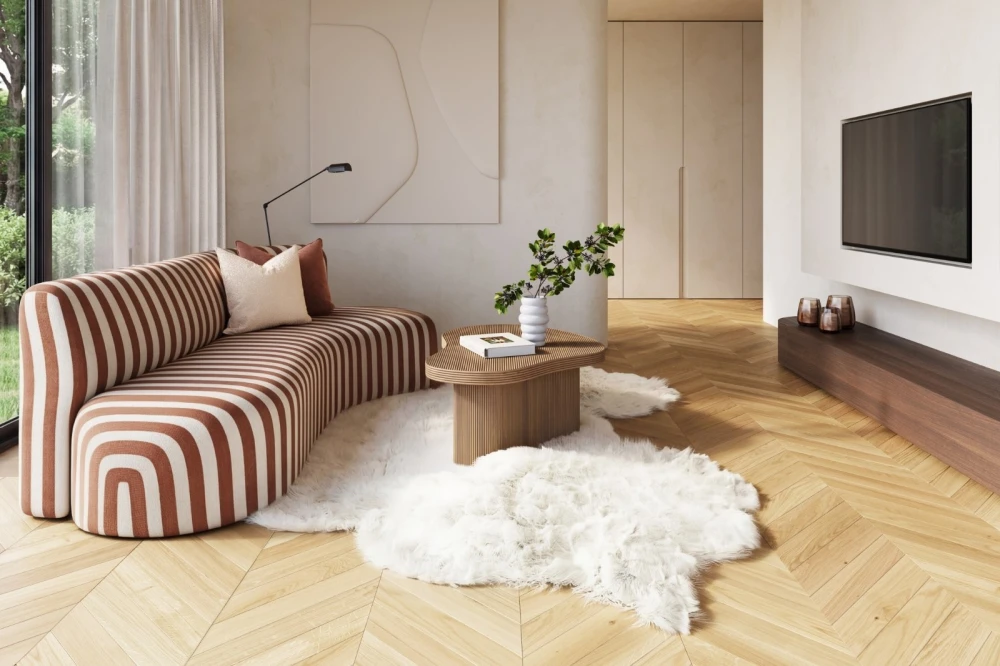
Yes. Herringbone parquet can be perfectly combined with underfloor heating, as long as you choose a suitable multilayer parquet floor and the installation instructions are followed correctly.
Discover Lamett's parquet collections and find the floor that suits your interior. Want to see the colour and look at home first? Then order a sample.
Not sure whether a particular parquet floor is suitable for underfloor heating? Get in touch with us. Our experts are happy to help you make the right choice.

Want to browse between the different collections and photos? Download our inspiration brochure. Besides all the collections and lots of photos, you will also find all the technical details.
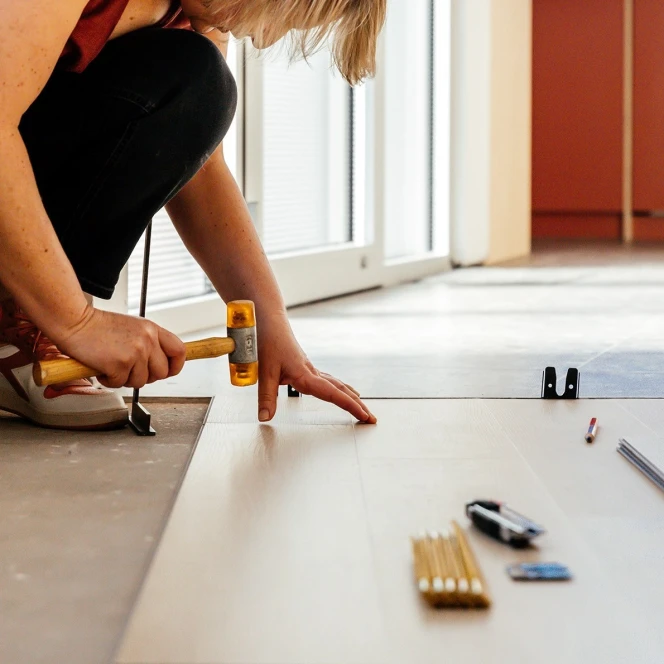
A new vinyl floor in your living room, kitchen or bedroom? Then you face an important choice: will you get started yourself or have the floor installed by a professional?

Choosing a new floor isn’t something you do every day. You want a floor that suits your interior but can also withstand everyday life.
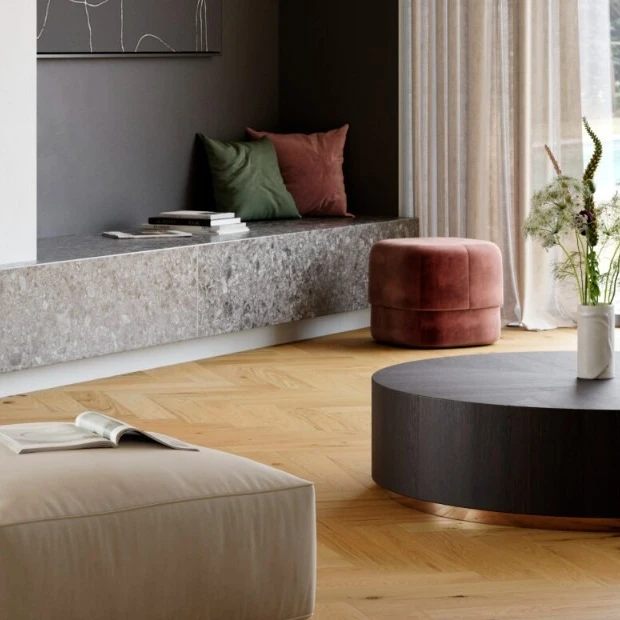
Life in a holiday home is different from life at home. Children come in with wet feet after a dip in the pool, sand is brought in from the beach and every week a different group of guests stays.


